Answers to common questions
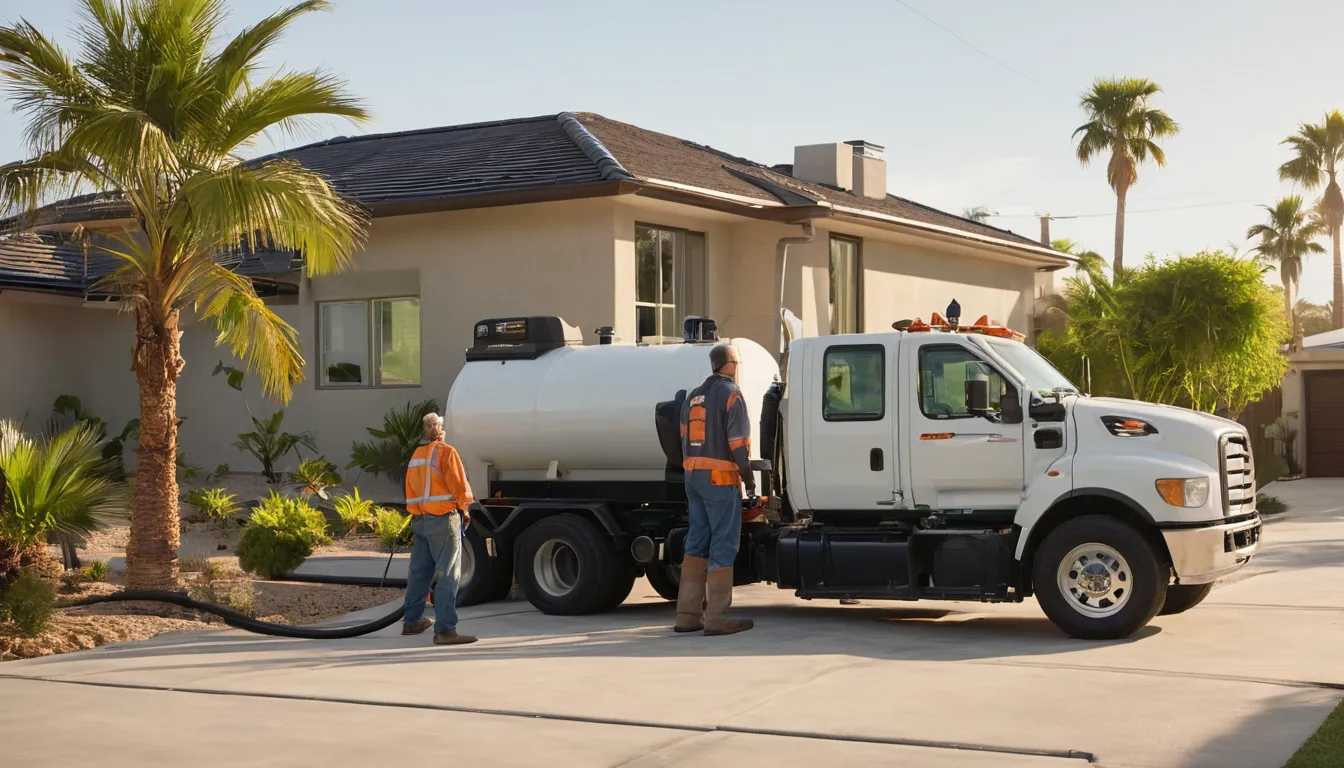
What can I safely check myself when my septic system acts up?
Look, don't lift. You can check for slow drains, gurgling pipes, wet patches in the yard, and odors. You can also see if the problem hits one drain or all of them. Write down what you see. Never open a tank lid yourself. Tank gases are harmful, and the opening is a fall risk. A pro should handle that.
How much does septic tank pumping usually cost?
In the U.S., septic tank pumping often runs a few hundred dollars. Tank size, access, and how full the tank is all change the price. Extra fees can apply if the lid is buried. Prices vary by job and by provider. Ask for a written quote before work starts, and compare more than one.
How often should a septic tank be pumped?
Many homes need pumping every three to five years. A bigger household may need it sooner. So may a home with a garbage disposal. Tank size matters too. A provider can measure the sludge, which is the solid layer at the bottom, and tell you when your tank is due.
Can I fix a sewer line clog on my own?
A simple clog in one sink may clear with a plunger. That is a fair DIY try. If several drains back up, or water rises in a floor drain or tub, the main sewer line may be blocked. That is a pro job ahead. A provider can use a camera to find the cause.
What should I do in the first hour of a sewage backup?
Stay calm. Stop using water in the house. Keep kids and pets away from the spill. Turn off power to wet areas only if it is safe to reach the panel. Open windows for air. Then take photos and request a callback to check provider availability. Many providers can respond quickly.
Will my homeowners insurance cover septic or sewer damage?
It depends on your policy. Some policies may cover sudden damage, but many exclude wear, neglect, or slow leaks. Backup coverage is often a separate add-on. Check your policy or ask your agent. Providers can often help document damage for a claim, so take photos before cleanup.
How can I prevent septic problems?
Spread out laundry loads. Fix leaky faucets. Keep grease, wipes, and paper towels out of drains. Do not park cars over the drainfield, which is the buried area where tank water soaks into soil. Plan regular pumping. Heavy summer storms can soak the ground, so watch for soggy spots.
When does a drainfield need repair, and who should do it?
Signs include soggy ground, strong odors, and slow drains even after pumping. Drainfield repair needs pro tools and often a permit. Do not dig or add chemicals yourself. A local provider can test the soil and the system, then explain your options. Costs vary widely, so get a written quote. If you also rely on a water well, mention it, since a failing system can affect nearby well water.